
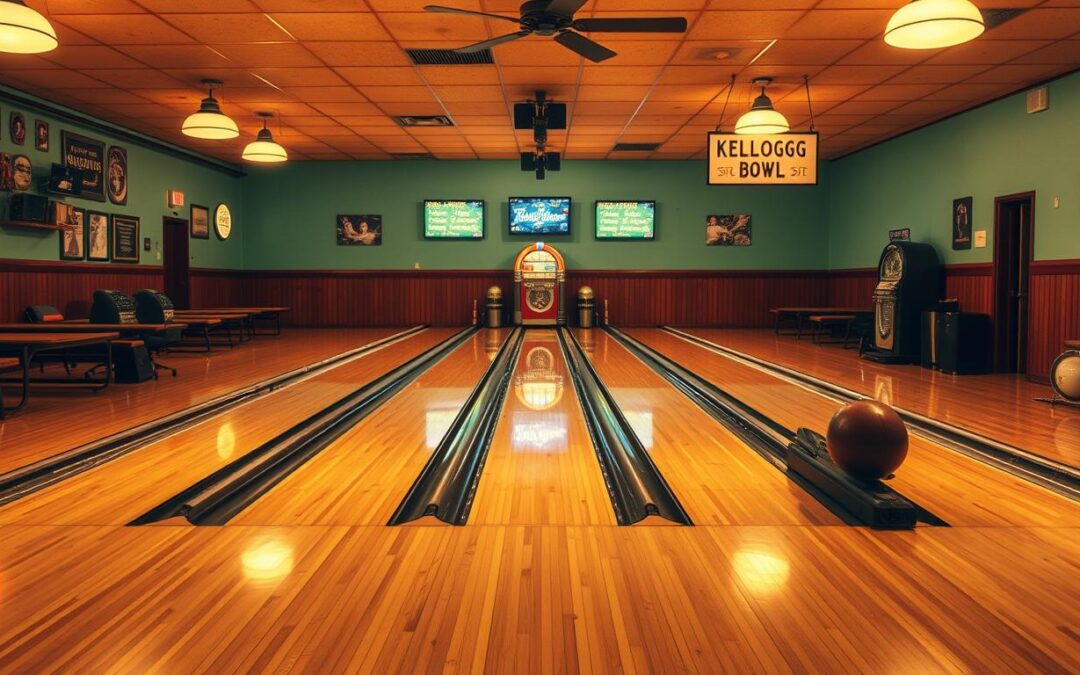
Did you know that over 1.5 million games were bowled at the Kellogg Bowl during its six-decade run? This staggering number reflects the cultural footprint of a cherished local institution that closed its doors in 2020, leaving a community heartbroken.
For 58 years, this family-operated Kellogg Bowl landmark served as Milwaukie’s living time capsule. Its retro neon glow and vintage lanes hosted first dates, birthday parties, and championship tournaments. Regulars still recall the distinctive clatter of wooden pins echoing through the unchanged mid-century interior.
The closure didn’t just end a business – it erased a piece of Pacific Northwest history. Owners Bill Oetken and Champ Husted fought to preserve their establishment through 12 months of pandemic restrictions. Despite community support, the financial strain proved insurmountable for the multigenerational gathering spot.
This story isn’t just about lost strikes and spares. It’s about how local businesses become the glue holding neighborhoods together. As we explore this venue’s journey, you’ll discover why its neon sign symbolized resilience – and what its absence means for America’s disappearing recreational landmarks.
~Ready to buy a house? Connect with the best mortgage broker in Milwaukie, Oregon, to get started.~
Key Takeaways
- Operated continuously for 58 years before 2020 closure
- Featured iconic retro design elements preserved since 1962
- Hosted multiple generations of local families and leagues
- Closed due to pandemic-related financial challenges
- Represented a significant cultural loss for Oregon
- Highlights struggles of family entertainment venues
Historic Roots and Community Impact
In 1962, a new gathering spot opened its doors just south of Portland, quickly becoming the heartbeat of neighborhood fun. For nearly six decades, this family-run establishment operated with a simple philosophy: keep it welcoming, keep it real.
Tracing the Family-Owned Tradition
Bill Oetken and Champ Husted poured their hearts into maintaining the venue’s original charm. Their secret? Treating every visitor like extended family. General manager Roxanne Oetken became the smiling face regulars looked for, ensuring kids learned proper lane etiquette while veterans kept their favorite scoring systems.
Milwaukie’s Role in Local Entertainment History
While bigger cities embraced flashy arcades, this Clackamas County gem stayed true to its roots. The retro neon sign glowing since JFK’s presidency became a beacon for those craving genuine connection. It wasn’t just about rolling balls – it hosted charity events, league rivalries, and three generations of birthday celebrations.
Locals often joked the 1960s-era ball returns had more personality than modern automated systems. This commitment to authenticity made the venue a living museum of mid-century recreation, earning recognition as one of Oregon’s longest-running family businesses.
Challenges During the Pandemic: Kellogg Bowl Bowling Alley
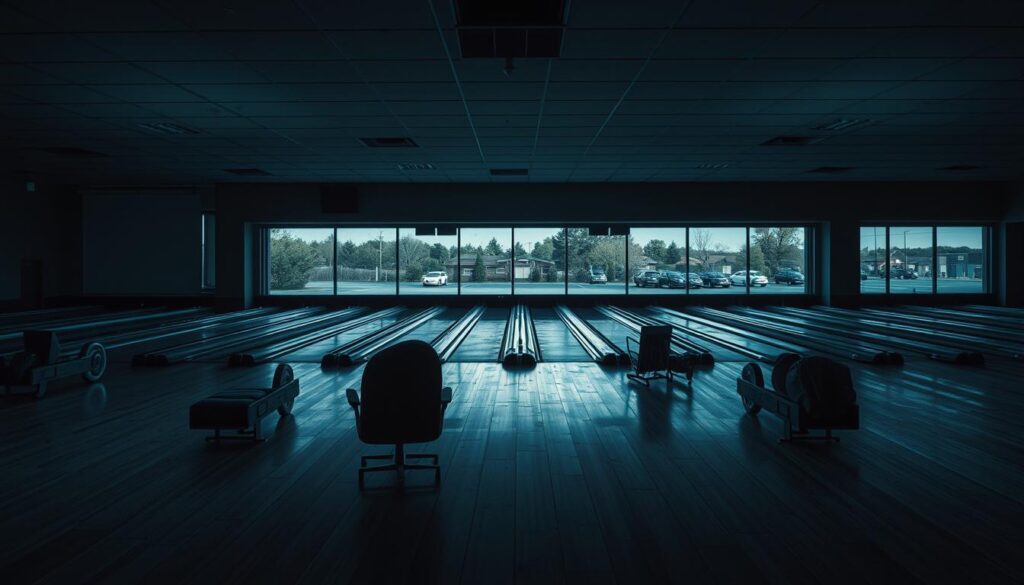
The COVID-19 pandemic delivered a crushing blow to local entertainment venues across Oregon. For this family-run establishment, what began as a temporary shutdown in March 2020 became a devastating fight for survival. State health mandates forced doors closed just as league seasons were gaining momentum, leaving regulars and staff reeling.
State Health Restrictions and Temporary Closures
Initial optimism about a brief closure faded as coronavirus cases surged. The business joined dozens of recreation centers statewide in what owners called “financial limbo.” Revised guidelines in October 2020 brought cautious hope, allowing limited operations at 50% capacity.
Staff reconfigured lanes for social distancing and installed sanitizing stations. However, the relief proved short-lived. A state-ordered freeze in November abruptly halted operations again, creating impossible choices about payroll and maintenance costs.
The Impact of Financial Hardship on Operations
Ten months of intermittent closures drained resources. Fixed expenses like insurance and equipment repairs continued while revenue streams dried up. “We watched our life’s work gather dust,” one owner recalled, noting most relief programs favored larger corporations.
The final closure decision in December 2020 echoed through the community. With 58 years of history at stake, owners emphasized they’d “exhausted every option.” Their statement highlighted the harsh reality: no small business could withstand 12 months of uncertainty without sustainable support systems.
Enduring Stories of Milwaukie Bowling Culture
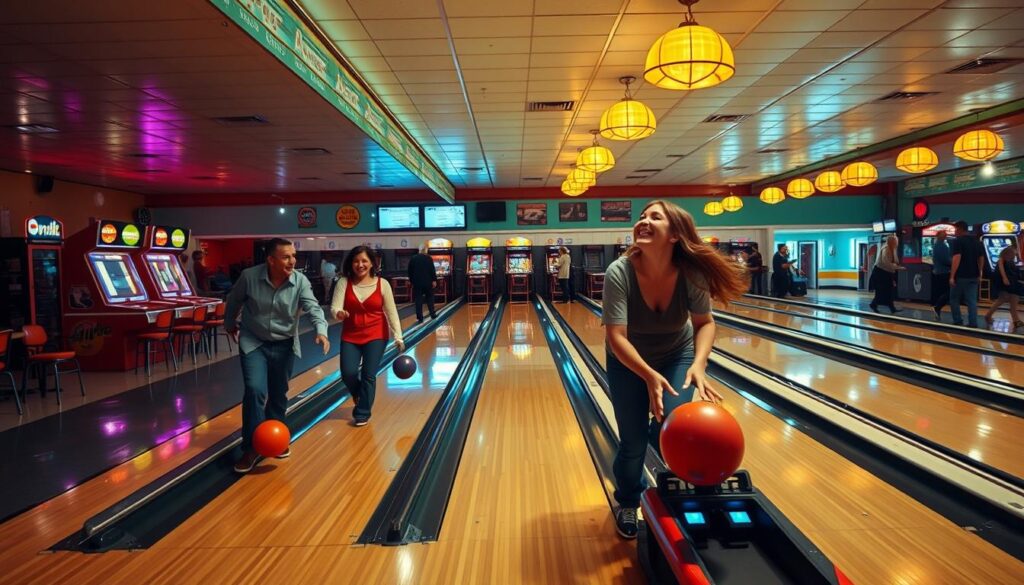
Behind every closed business lies human stories that outlast polished lanes and neon signs. The true legacy of this cherished gathering place lives through those who kept its spirit alive.
Experiences from Owners and Managers
General manager Roxanne Oetken’s voice cracked as she described the final months: “We’ve been sitting there since May ready to go. Every day got harder.” Her words mirrored the plight of family-run entertainment venues nationwide. Bill Oetken and Champ Husted built relationships where staff knew regulars’ shoe sizes and favorite lanes.
A heartfelt Facebook post to patrons revealed their gratitude: “Your support has been our heart.” This bond transformed casual visitors into extended family over six decades.
Community Engagement and Loyal Patrons
When state restrictions lingered, bowlers organized rallies at six Portland area bowling centers. Regulars shared how league nights provided crucial social connections – particularly for retirees. 72% of senior patrons reported the venue was their primary community hub.
Comparisons to Other Portland Area Alleys
The 2020 closures claimed multiple landmarks, including Wilsonville Lanes. Unlike corporate-owned bowling centers, these family-operated spots offered personalized experiences. Their vintage charm and staff continuity created atmospheres modern venues struggle to replicate.
As one longtime bowler noted: “Other alleys have laser lights. We had Roxanne remembering everyone’s birthday.” This human touch made the difference between generic entertainment and cherished tradition.
Conclusion
The final frame has been bowled at a cherished Oregon landmark. Kellogg Bowl’s permanent closure leaves a gap in the Portland area that modern entertainment hubs can’t fill. For 58 years, this family-owned bowling alley connected generations through shared strikes, gutter balls, and birthday cake smears.
Owners Bill Oetken and Champ Husted exemplified resilience during the coronavirus crisis. Their staff worked tirelessly through 12 months of changing restrictions, embodying the spirit that made small businesses community anchors. Their story mirrors Oregon’s broader struggle—41 of 49 bowling centers statewide closed during the pandemic.
Regular bowlers still recall the clatter of vintage pinsetters and Roxanne Oetken’s welcoming smile. These memories outlast the business itself, reminding us how local gems shape neighborhoods.
The owners‘ final message offered hope for surviving alleys: “May others keep rolling strikes for future generations.” As corporate chains dominate leisure spaces, we must cherish remaining centers preserving authentic connections.
Though lanes lie quiet here, the legacy lives through every child learning to bowl and every league rivalry rekindled elsewhere. Some traditions deserve extra frames.
~Mortgage Lenders in Portland Oregon~
Sources:
Family-owned bowling alleys shut down for coronavirus restrictions – OPB
One of the Portland Area’s Oldest Bowling Alleys Is Shuttering
Milwaukie’s Kellogg Bowl closes after 58 years, blames coronavirus restrictions – oregonlive.com