Reverse Mortgage Solutions in Oregon
Access your home’s equity while continuing to age in place, payment-free. Get expert guidance from Shannon McAlister, your trusted Portland Mortgage Advisor.
What is a Reverse Mortgage?
A reverse mortgage, officially a Home Equity Conversion Mortgage (HECM), lets homeowners 62 and older convert home equity into tax-free funds without selling, without giving up ownership, and without making monthly mortgage payments.
Unlike a traditional home mortgage where your equity grows with each payment made to the bank, a reverse mortgage works the other way: you take your equity out now, in any configuration you choose, no payment required. You can select: lump sum, line of credit, monthly payments, or a combination. Any equity available, but not taken immediately, remains availble through a growing line of credit, giving you access to additional borrowing capacity over time. The loan comes due when the home is no longer your primary residence, when you sell, move, or pass away. And because HECMs are FHA-insured and non-recourse, you can never owe more than the home is worth.
That flexibility is what makes this tool useful. A reverse mortgage can eliminate your existing mortgage payment, create supplemental retirement income, cover healthcare costs, fund a remodel to age in place, or simply give you financial breathing room on your terms.
If you’re looking for a reverse mortgage in Portland, Oregon — or anywhere in the state — you’re in the right place. I’m Shannon McAlister, a reverse mortgage specialist and FHA-approved HECM lender based in Portland. I work with Oregon homeowners every day: people in the West Hills, on the coast, in Bend, in the Willamette Valley. Oregon’s home appreciation over the past two decades has left a lot of homeowners with significant equity. A reverse mortgage may be one of the most underused tools available to access it, without selling and without a payment.
Meet Your Oregon Reverse Mortgage Expert
Luminate Bank Reverse Mortgage Case Study
76 year old husband still working
$321,000 mortgage, $2,600 payment
HECM reverse mortgage eliminated the mortgage payment
$2,600 per month added back to the family budget
Husband retired with greater financial security than when he was working
Closed in 13 days
Oregon Reverse Mortgage Programs
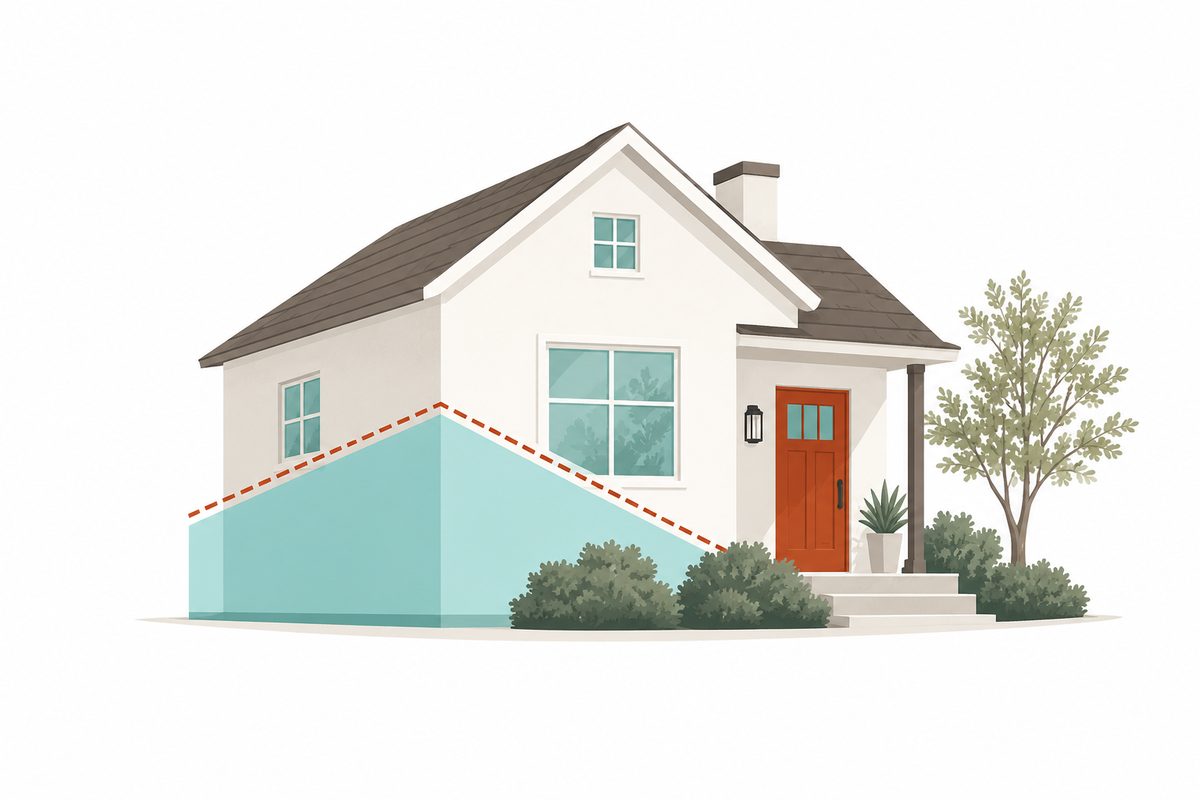
HECM Reverse Mortgage
The standard FHA-insured reverse mortgage. Convert home equity into tax-free funds with no monthly payment, available at 62+. [HECM Learn More →]

Reverse Mortgage for Purchase
Buy your next home with no monthly mortgage payment, using a reverse mortgage down payment. FHA and non-FHA options available. [Learn more →]
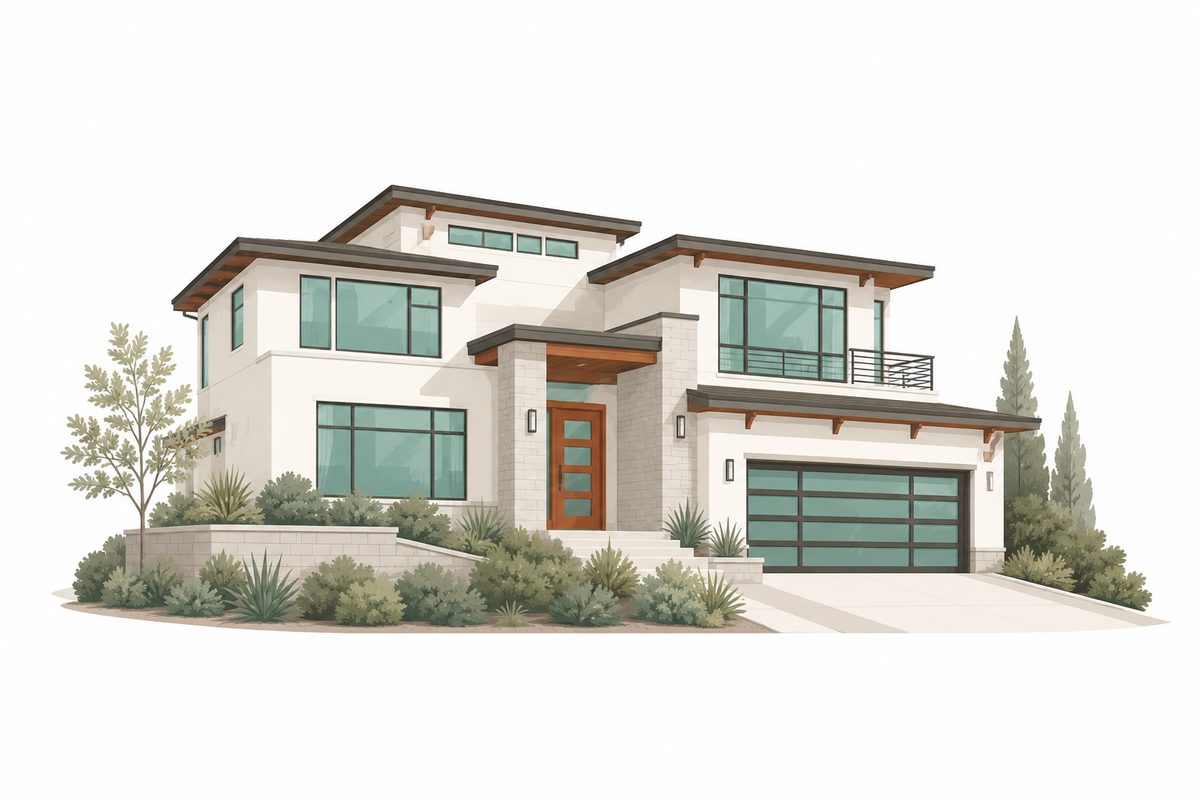
Jumbo Reverse Mortgage
For higher-value homes above the FHA limit, with eligibility as young as 55. [Learn more →]
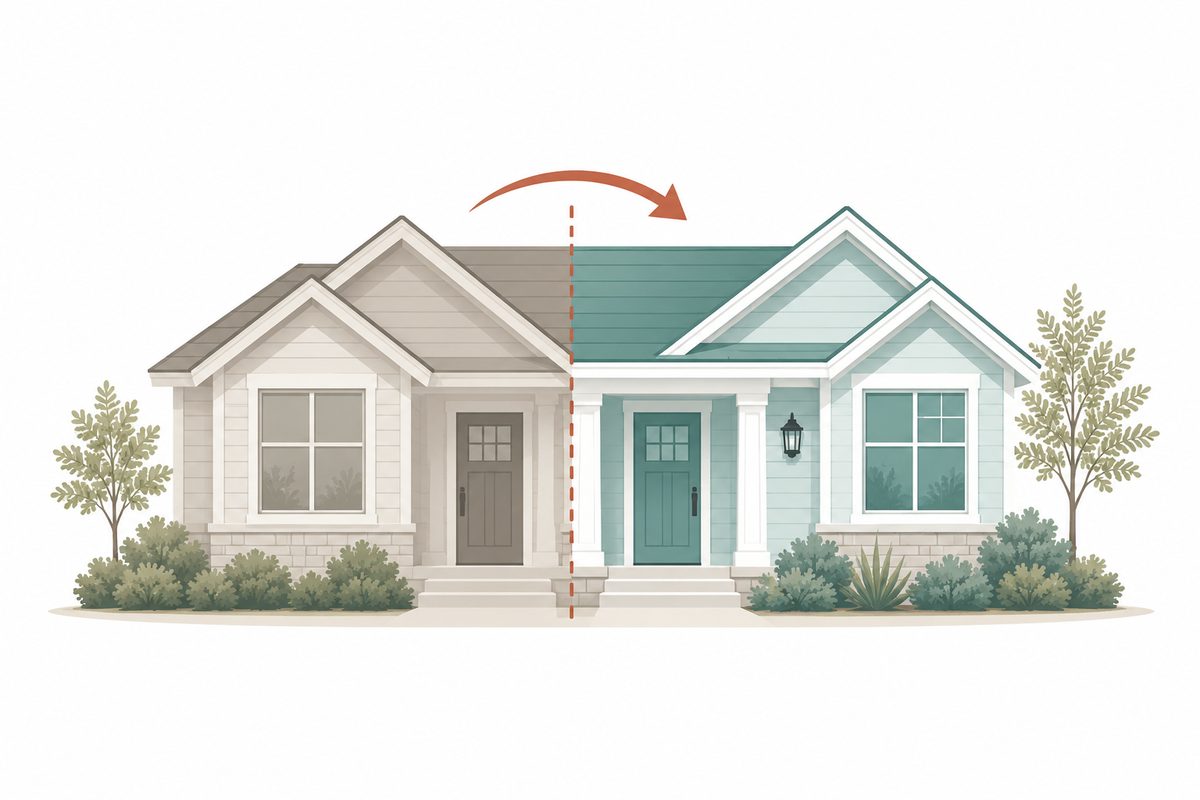
Reverse Mortgage Refinance
Already have a reverse mortgage? See if you qualify for a larger line of credit or better terms. [Learn more →]
Not Sure Which Option Fits?
Every situation is different.
Let’s talk through your goals and find the right approach.

Reverse Second Mortgage
Keep your existing low-rate first mortgage and access equity through a second-lien reverse product. [Learn more →]
Reverse Mortgage Services Across Oregon
I work with reverse mortgage borrowers throughout Oregon, including Portland and surrounding communities. Explore reverse mortgage information and lending options for your area.
Key Uses for Reverse Mortgages

Supplemental Retirement Income
Cover daily living expenses and maintain your lifestyle.

Pay Off Existing Mortgage
Eliminate monthly mortgage payments permanently.

Healthcare & Medical Costs
Cover medical expenses and long-term care needs.

Home Improvements
Make modifications to age in place safely.

Flexible Terms
Access equity in line of credit or monthly payments.

Emergency Fund
Establish financial security for unexpected expenses.
Reverse Mortgage Requirements
Borrower Requirements
✓ Minimum Age: At least one borrower must be 62+ for a HECM
✓ Home Equity: Must have sufficient equity in the home
Property Requirements
✓ Primary Residence: Property must be your primary residence
✓ Ongoing Obligations: Maintain the home and continue paying property taxes and homeowners insurance
Reverse Home Loan Process
*HECM loan rates and terms will vary based on your age, credit score and the loan program selected.
Get Started on Your Reverse Mortgage Today
Required Reverse Mortgage Documentation
Borrower Documents
✓ Loan application
✓ Government-issued ID
✓ Credit authorization
✓ HUD counseling certificate
✓ Income and asset documentation
Property Documents
✓ Appraisal
✓ Homeowners insurance
✓ Property tax information
✓ Current mortgage statement
✓ HOA information, if applicable
Ready to Embark on Your Next Phase Mortgage Free?
Reverse mortgages can offer you the freedom to age in place and supplement your retirement income with no monthly mortgage payment.
The Reverse Mortgage as a Retirement Planning Tool
A reverse mortgage opened before you need it is a different tool than one opened in crisis. The earlier the conversation starts, the more options you have, and the more powerful the instrument becomes.
Wade Pfau, Ph.D., CFA – one of the foremost researchers in retirement income planning and author of Reverse Mortgages: How to Use Reverse Mortgages to Secure Your Retirement – has spent years making the case that a reverse mortgage, specifically the HECM line of credit, is most powerful when opened early and used strategically. Not as a last resort, but as a coordinated asset.
The HECM line of credit grows over time at the same rate as the loan’s interest rate, regardless of what your home value does. Open it at 62, let it grow, and a decade later you have a substantially larger credit line available than the one you started with. That growth is guaranteed by FHA. Your portfolio can’t promise that.
Pfau’s research demonstrates that retirees who use a reverse mortgage line of credit as a buffer asset, drawing from it during market downturns instead of selling investments at a loss, show improved portfolio longevity. This is the sequence of returns problem: the order in which you experience investment gains and losses matters as much as the average return itself. A down market in year two of retirement is far more damaging than a down market in year twenty. A standing HECM line of credit gives you somewhere else to draw from while you wait for recovery.
Used this way, the reverse mortgage isn’t competing with your other assets. It’s protecting them.
These are the ideas I speak about with clients who are still working, still solvent, and not anywhere close to needing the money. This is the time to act.
Reverse Mortage Loan FAQs
What is a reverse mortgage and how does it work?
A reverse mortgage is a special type of home loan available to homeowners age 62 and older that allows you to convert part of your home equity into cash without having to sell your home or make monthly mortgage payments. The loan balance grows over time because interest and fees are added to the loan.
Who is eligible for a reverse mortgage?
The basic eligibility requirements are:
- You (and any co-borrower) must be 62 years of age or older
- You must own your home outright or have a very low mortgage balance
- The home must be your primary residence
- You must live in an eligible property type (most single-family homes, FHA-approved condos, 1-4 unit properties)
- You must receive HUD-approved reverse mortgage counseling before closing
Do I have to make monthly payments on a reverse mortgage?
No. Monthly principal and interest payments are not required. You are still responsible for paying property taxes, homeowners insurance, HOA fees (if applicable), and maintaining the home in good condition.
How much money can I get from a reverse mortgage?
The amount you can borrow depends on several factors:
- Your age (older borrowers generally qualify for more)
- The current value of your home
- The current interest rate
- The FHA lending limit
- The type of payment plan you choose
What are the different ways I can receive the money?
You have several flexible payout options (you can even combine them):
- Lump Sum — one-time payment
- Monthly Tenure — steady monthly payments for as long as you live in the home
- Line of Credit — flexible draw as needed (most popular option — unused portion grows tax free over time)
- Monthly Term — fixed monthly payments for a set period
- Combination — any mix of the above
What happens to the loan when I die or move out permanently?
When the last borrower permanently leaves the home (death, sale, or moving out for 12+ months), the loan becomes due and payable. The borrower (or heirs) usually has three main options:
- Pay off the loan and keep the home
- Sell the home and keep any remaining equity
- Deed the home to the lender if there is no equity left (HECMs are non-recourse loan meaning you or your heirs never owe more than the home is worth)
Can I lose my home if I take out a reverse mortgage?
No. As long as you:
- Live in the home as your primary residence
- Pay your property taxes and homeowners insurance
- Keep the home in reasonable condition
- You cannot be forced out of your home just because the loan balance grows larger than the home value
Do I still own my home with a reverse mortgage?
Yes. You retain full title/ownership of your home. You are still responsible for property taxes, insurance, and maintenance — just like any homeowner. You can pass your home to your heirs
Are there any upfront costs or fees with a reverse mortgage?
Yes. There are closing costs similar to a regular mortgage, including:
- Origination fee
- Upfront and annual Mortgage Insurance Premium (MIP)
- Third-party closing costs (appraisal, title, etc.)
- Counseling fee
- Many of these costs can be financed into the loan so you don’t pay them out-of-pocket
Is a reverse mortgage right for everyone age 62+?
No. It’s a powerful tool for some, but not appropriate for everyone. It works best when you:
- Plan to stay in your home long-term
- Need to supplement income or pay off existing debt
- Have sufficient remaining equity after fees
- It is very important to get independent HUD-approved counseling and talk to family before deciding, it’s a big financial decision
REVERSE MORTGAGE DISCLAIMER
A borrower must meet all loan obligations, including living in the property as the principal residence and paying property charges, including property taxes, fees, hazard insurance. The borrower must maintain the home according to FHA requirements. Failure to meet these requirements can trigger a loan default that may result in foreclosure.